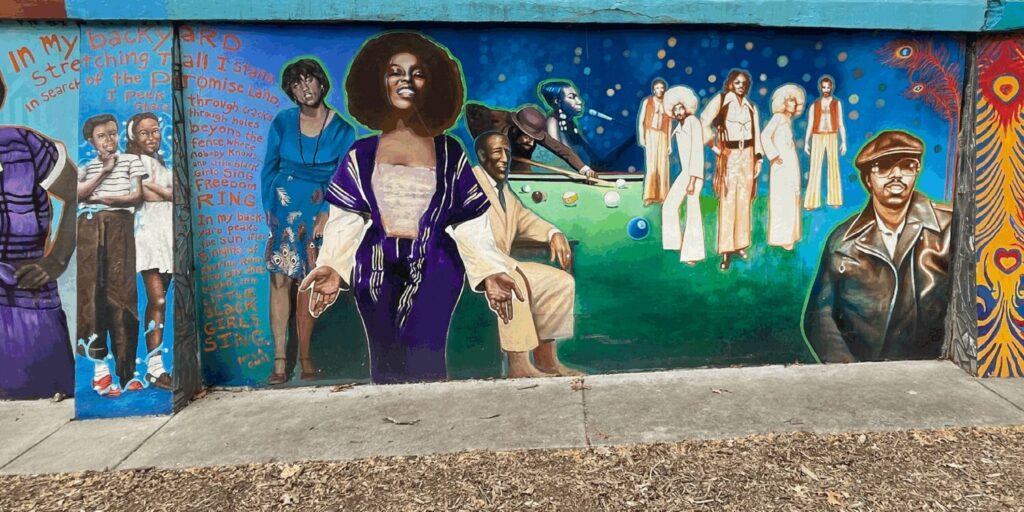
In the scenic hills of Buncombe County and the vibrant streets of Asheville, North Carolina, the community grappled with deep-seated historical injustices against Black residents. Despite progress in some areas, systemic barriers were still affecting minorities’ access to resources, opportunities, and equal treatment. The community’s desire for true reparative justice was clear, but the challenge lay in confronting these disparities across a range of sectors, including criminal justice, economic development, health, education, and housing.
According to a 2020 report by the National League of Cities, over 500 local governments in the U.S. have adopted or are in the process of implementing racial equity strategies in their policies and practices.1 This growing movement highlights the urgency for cities like Asheville and Buncombe County to align policies with reparative-focused goals.
The City and County leadership recognized the urgent need to address these issues. While new policies aimed to dismantle barriers, the question remained: Could Black residents truly access the same resources and opportunities as their peers without the pervasive burden of bias? Buncombe County and the City of Asheville, NC, made history as the first county and second city in the United States of America to pass resolutions supporting reparations for Black Americans.
To guide Buncombe County and the City of Asheville toward their harm assessment goals, CDG implemented a multi-step approach that involved rigorous data analysis, stakeholder engagement, and collaborative action. The first step was a program effectiveness audit, a monumental task that required aligning data across the 61 combined City and County departments, each holding different standards, procedures, and levels of data. This complexity was further compounded by the absence of a clear model for conducting such audits at the municipal level.
CDG’s strategy focused on a comprehensive data collection matrix across seven key impact areas: criminal justice, economic development, education, health, housing, human resources, and legal equity. By using the O.K.R.A. Compass™, a proprietary harm assessment tool, CDG helped uncover disparities and provided a clearer path forward for system-wide reform. Engaging key stakeholders from law enforcement, education, and health services helped bridge gaps in understanding, while a comparative study with other municipalities offered a framework for actionable change.
Through regular meetings and open dialogue with the Community Reparations Commission and City/County officials, CDG created a space for transparency and collective vision-building. This approach not only highlighted the areas of harm but also inspired hope and a shared determination to bring about change.
The audit concluded with a comprehensive final report containing 108 actionable recommendations that aimed to reshape the community’s approach to racial equity. Among the key findings and solutions were:
A 13-point plan to overhaul policing practices, reduce the overrepresentation of Black residents in traffic stops and expand alternative sentencing programs.
A 34-point framework to increase inclusivity in procurement processes and improve access to capital for minority entrepreneurs. This work was critical, as only 20% of Black-owned businesses report access to needed capital, compared to much higher rates for white-owned businesses.
Targeted recommendations to increase access to critical services for underserved populations, addressing long-standing inequities that contribute to gaps in life expectancy, health outcomes, and educational opportunities.
As a result of these efforts, Buncombe County and the City of Asheville are moving toward the cessation of harm in its government programs and services. The City and County’s commitment to harm cessation have inspired confidence among residents, ensuring that everyone has a seat at the table and a chance to thrive.
This is the updated pages indicating our three main development focus areas and one additional page for the industries served.
We are dedicated to building inclusive workplaces where diversity is celebrated and equity is ensured.
Our focus is on optimizing the employee experience to enhance engagement and performance.